

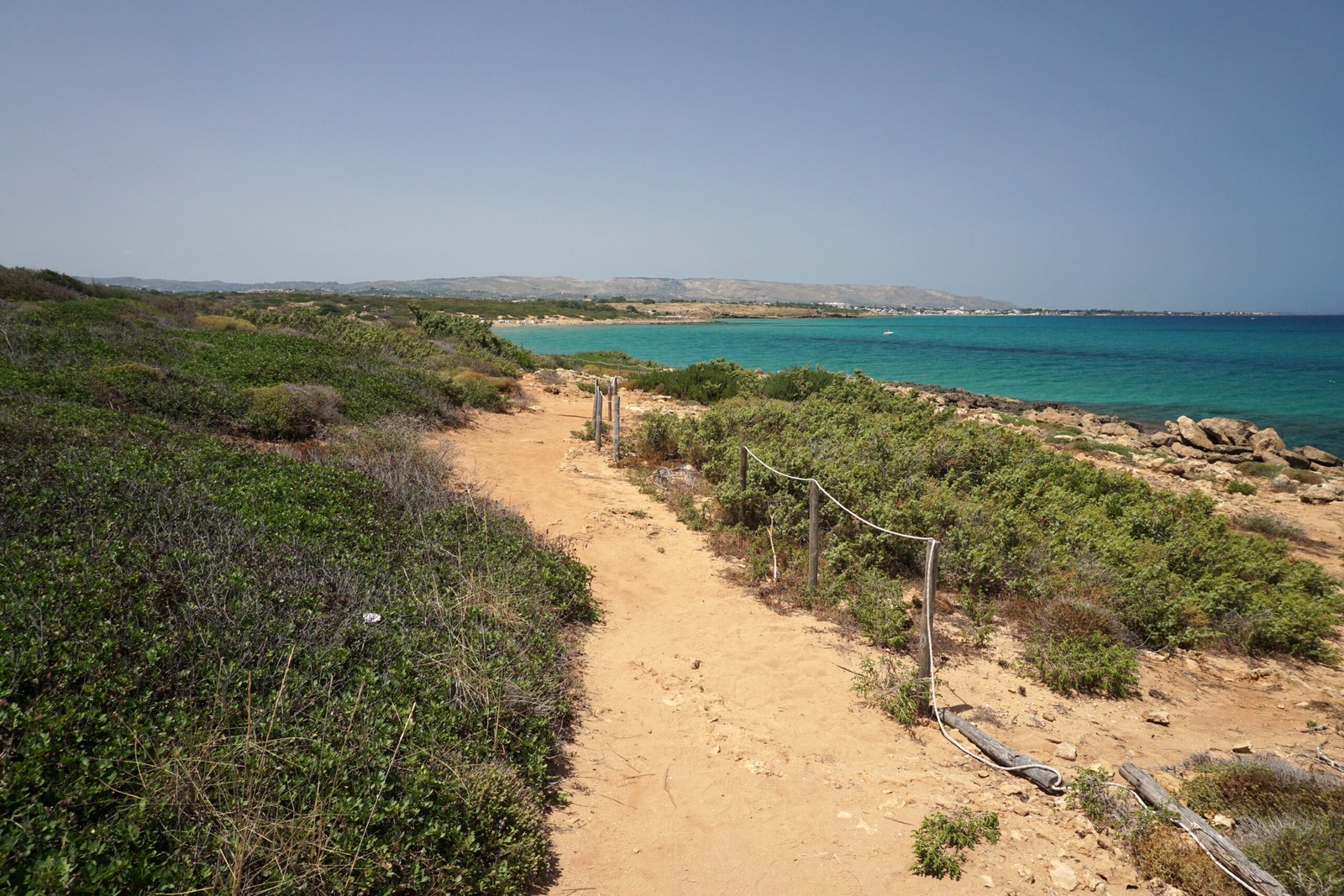
Italy’s coastline runs for thousands of kilometres, and tucked along it are dozens of naturist beaches and quiet coves that draw open-minded travellers every summer. For couples in the lifestyle, these spots offer sun, sea and a relaxed, body-positive atmosphere — provided you understand the culture before you arrive. This guide maps the best-known naturist beaches region by region and explains how to behave, stay safe and stay discreet.
Naturism and the lifestyle are not the same thing
This is the single most important point, so it comes first. A naturist beach is about being comfortable nude in nature — it is not a sexual space. Many lifestyle couples love these beaches precisely because of their open, judgement-free vibe, but the golden rule is respect. Never assume, never stare, and let any connection develop slowly and mutually. Treating a naturist beach as a pick-up spot is the fastest way to make everyone uncomfortable.
Italy’s naturist beaches, region by region
From the Adriatic pinewoods to the dunes of Sardinia, here are the best-known spots. Some are officially recognised by a municipal ordinance; others are historic, tolerated beaches — a distinction worth understanding (see below).
The north
- La Bassona – Lido di Dante (Ravenna, Emilia-Romagna) — one of Italy’s oldest and best-known naturist beaches, set in the historic Pineta di Classe and an easy pairing with the Riviera Romagnola.
- Laguna del Mort (Jesolo–Eraclea, Veneto) — an unspoilt beach at the mouth of the Piave, set among dunes; a long-standing naturist stretch reached on foot around the lagoon.
- Costa dei Barbari (Sistiana, Trieste) — pebbles and rocks below the Carso, naturist for over a century; quiet and secluded, down a steep coastal path.
Tuscany
- La Lecciona (Viareggio) — a wild, dune-backed beach in the Migliarino–San Rossore park, officially authorised for naturism since 2022.
- Marina di Alberese (Grosseto) — in the heart of the Maremma park; the naturist stretch lies about two kilometres south of the car park, among dunes and pine forest with views to the Argentario.
- Nido dell’Aquila (San Vincenzo, Livorno) — a free beach in the Rimigliano park, authorised for naturism since 2010 and a long-time favourite with couples.
- Macchiatonda (Capalbio, Grosseto) — in the Lago di Burano WWF reserve, a wild, little-visited beach reached on foot along the coast.
- Acquarilli (Capoliveri, Elba) — the island’s only officially authorised naturist beach (since 2015), dark sand in a rocky amphitheatre.
Lazio
- Capocotta (Ostia, Rome) — among the dunes of the Roman coast, this became Italy’s first official naturist beach in 2000 and remains a reference point, with services and free access.
- Le Sabbie Nere (Santa Severa, Santa Marinella) — a dark-sand beach between Rome and Civitavecchia, recognised as a naturist oasis; reached by walking south from the Santa Severa castle.
- Coccia di Morto (Fiumicino) — dunes and pinewood just minutes from Rome’s airport, authorised for naturism since 2015.
Abruzzo and Campania
- Lido Punta Le Morge (Torino di Sangro, Chieti) — Abruzzo’s only authorised naturist beach (2014), pebbles and the characteristic rocky outcrop.
- Il Troncone (Marina di Camerota, Salerno) — the Cilento’s only authorised naturist beach (2011): three sand-and-shingle coves under a high cliff, with water that stays crystal-clear even when the sea is rough.
Puglia
- Termitosa (Castellaneta Marina, Taranto) — Puglia’s first officially authorised naturist beach (2024), golden sand among the pines.
- Spiaggia d’Ayala (Campomarino di Maruggio, Taranto) — for years Puglia’s most famous naturist beach, a long sweep of white sand backed by the Ayala pinewood in the Ionian Salento.
- Torre Guaceto (Carovigno, Brindisi) — inside the protected marine reserve at Punta Penna Grossa: golden sand and low rocks, with naturist stretches especially off-season.
- Punta della Suina (Gallipoli, Lecce) — pines and rocks south of Gallipoli over crystal-clear water; a historic naturist and LGBTQ+ favourite of the Salento.
The islands
- Piscinas (Arbus, Sardinia) — beneath dunes up to 100 metres high; its authorised stretch (since 2018) is the largest naturist beach in Europe, an almost desert-like landscape.
- Porto Ferro (Sassari, Sardinia) — an amber-sand bay near Alghero, authorised since 2018; the northern end, by the Torre Bianca, is the most popular with naturists.
- Isola dei Gabbiani (Palau, Sardinia) — a sandy peninsula between Porto Pollo and Porto Liscia, with naturism among the dunes and a windsurfing paradise offshore.
- Marianelli (Noto, Sicily) — a wild beach in the Vendicari reserve between Eloro and Calamosche, historically naturist and tucked among dunes and citrus groves; the island’s most loved.
Authorised vs tolerated — and why it matters
It is worth knowing the difference. Some beaches are protected by a municipal ordinance that officially recognises and safeguards naturism (Capocotta, La Lecciona, Piscinas, Porto Ferro, Le Morge, Acquarilli, Il Troncone, Termitosa and others). Others are historic or simply tolerated — naturism has been practised for decades without a formal act. Where it is authorised you are protected; where it is only tolerated, check the local rules first and behave with maximum discretion, respecting the environment and everyone around you.
Beach etiquette
- Read the space before you settle in — every beach has its own mood and regulars.
- Keep a respectful distance and ask before sharing space or starting a conversation.
- Photography is an absolute no without explicit, enthusiastic consent.
- Treat nudity as ordinary, because here it is.
- Take all your litter home and protect the dunes, plants and wildlife.
How to find the right spot
Naturist beaches are not always signposted, and the most relaxed coves are often a short walk from the nearest car park. Local naturist associations and community apps are far more reliable than guesswork. Access points and seasonal rules can change year to year, so check before a long drive. When you arrive, observe for a few minutes: the regulars will quickly show you the tone of the place.
Safety and discretion
Go in daylight, keep valuables to a minimum, and never leave belongings unattended. Tell someone where you are headed if it is a remote spot. Trust your instincts — if a place or a person does not feel right, simply pack up and move on.
Practical tips for a great beach day
- Bring more water and sun protection than you think you need — open beaches offer little shade.
- Reef-safe sunscreen protects both your skin and the sea.
- Go early to claim a good spot and enjoy calmer mornings.
- Pack sturdy sandals for rocky paths down to hidden coves.
- Check tide and weather; some coves shrink dramatically at high tide.
Frequently asked questions
Are naturist beaches legal in Italy?
Yes. Italy has many officially recognised naturist beaches, plus numerous tolerated free beaches. Always respect any local signage and rules.
Will I feel out of place as a first-timer?
Most people are nervous at first and then relax within minutes. Naturist regulars are generally welcoming and discreet, and nobody pays as much attention as you fear.
Approached with respect and a little research, Italy’s naturist beaches are some of the most beautiful and liberating places to spend a summer afternoon as a couple.




Leave a Reply